Contact
+31 (0)10 415 84 88
info@staalmeester.com
Company information
Staalmeester® is family of A.C. De Hoop B.V.
KvK Chamber of Commerce number: 24213078
VAT number: NL810899425B.01
+31 (0)10 415 84 88
info@staalmeester.com
Staalmeester® is family of A.C. De Hoop B.V.
KvK Chamber of Commerce number: 24213078
VAT number: NL810899425B.01
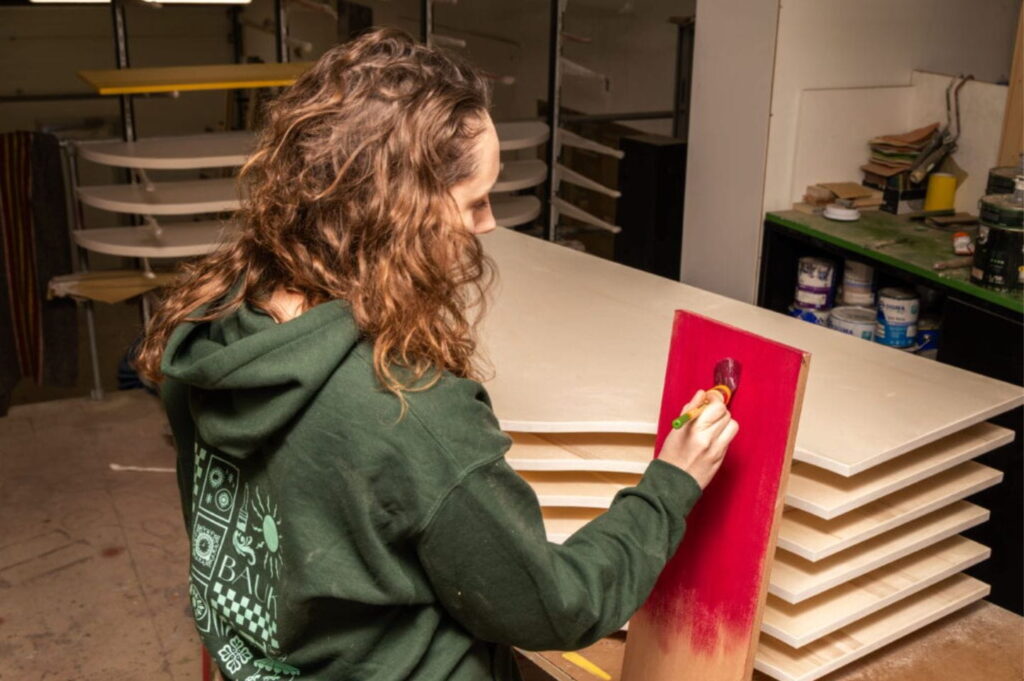
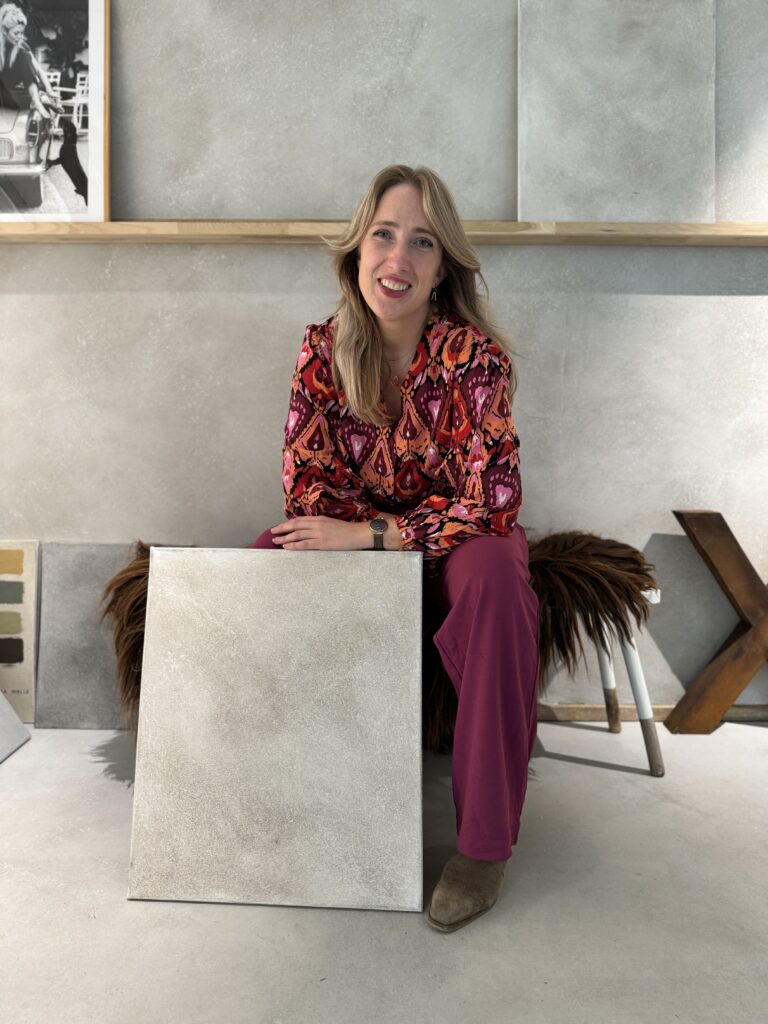
Baukje (26) is a decorative and restoration painter from Haarlem, specialising in traditional craft techniques such as wood and marble imitations, gilding, and high-end painting. After completing her studies at Cibap, she started her own business at a young age and gradually built her place within the specialised world of decorative and restoration work.
I studied at Cibap vocational college in Zwolle. My father also studied at the old Cibap. In the past it was truly a painters’ school, but over time it has become more modern and more creatively focused. I visited the open day with my father and that’s when I decided to apply for the programme.
After finishing my studies, I started working as a self-employed painter at the age of 19. When I graduated, I thought: I’ll try it for a year and see where it leads. I enjoyed it so much that I continued painting and gradually began to specialise further. Being young definitely helped me make the decision to start my own business. With that sense of openness, you simply go for it. Today I specialise in decorative and restoration work such as wood and marble imitations, gilding and traditional painting.
After graduating, I approached many companies that I wanted to work with. At first this was mainly within decorative construction, because I had built many contacts during my internships. Some companies gave me an opportunity right away, and that allowed me to meet even more people within the industry.
Over the years, more skilled craftsmen gave me the chance to work alongside them on their projects. That’s where you really learn in practice, from people who have decades of experience. Over the past two years, companies and private clients have increasingly approached me directly for my own projects. By staying curious, working hard, being eager to learn and remaining open to other people, techniques and materials, specialised projects naturally come your way.
It’s specialised work where you really have to build a network and establish a name for yourself. I also get to work in places people normally don’t see, such as theme parks like Bellewaerde. It’s great to get a behind-the-scenes look there. At the same time, it still simply feels like my job — I start at eight in the morning and the next day begins the same way again.
During my studies I worked in decorative construction, where inexpensive brushes were often used. When I later started working for myself, I realised how much difference a quality brush can make. My father owns a painting company and he taught me the fundamentals of the trade — and the importance of good brushes was a big part of that. Thanks to him I became much more aware of how important quality brushes are.
I first encountered Staalmeester through high-end interior construction companies and within the restoration world, a world focused on detail, precision and consistency. The brushes are ideal for that and help ensure a consistently high-quality finish.
When I started taking on more of my own projects, I also began testing more high-quality products. It started with upgrading the paint I used – I switched to Sigma. At Sigma Haarlem, Staalmeester brushes were recommended to me for the first time. I discovered that high-quality paint always goes hand in hand with a high-quality brush, and I’ve been a fan ever since.
They should be flexible, not too stiff, and comfortable to hold. Because I often work on very detailed tasks, I prefer smaller brushes. I also find it important that a brush is versatile, suitable for both gilding and painting. And a brush should almost shape itself to your hand.
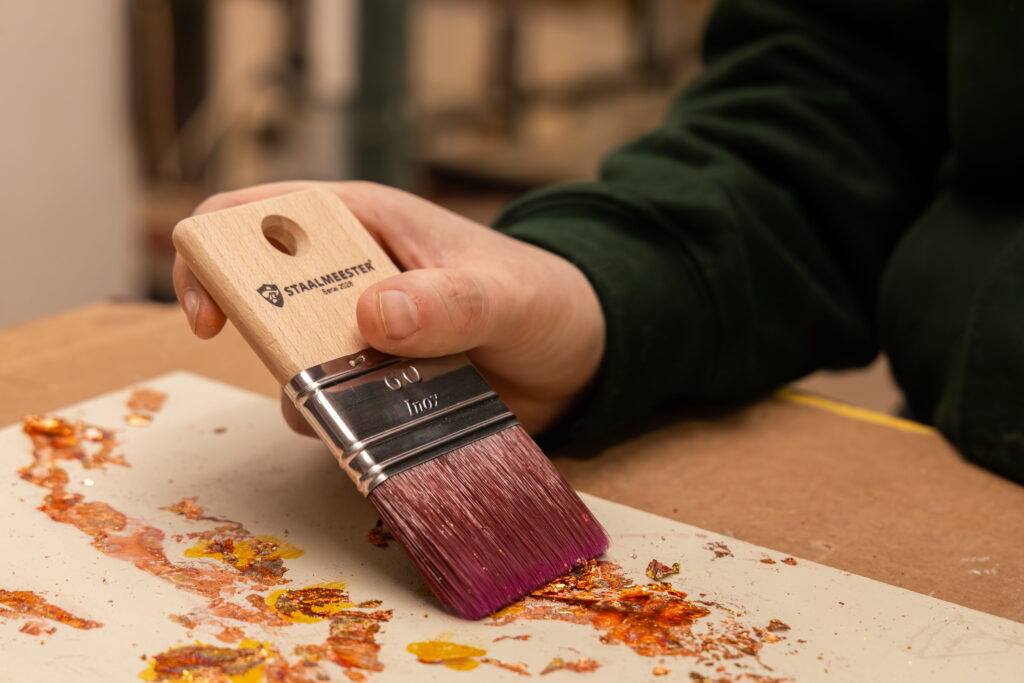
I mostly use a patent point brush, usually size 10 or 12. These smaller sizes work very well for detailed work. I also frequently use straight spalters with handles in different sizes. The smaller ones are ideal for wood imitations and small areas, while the larger ones work well on bigger surfaces.
Absolutely. You have much more control over what you’re doing, and the work becomes easier. Without a good brush, you simply won’t achieve the desired end result. Using lower-quality tools only makes the work harder for yourself.
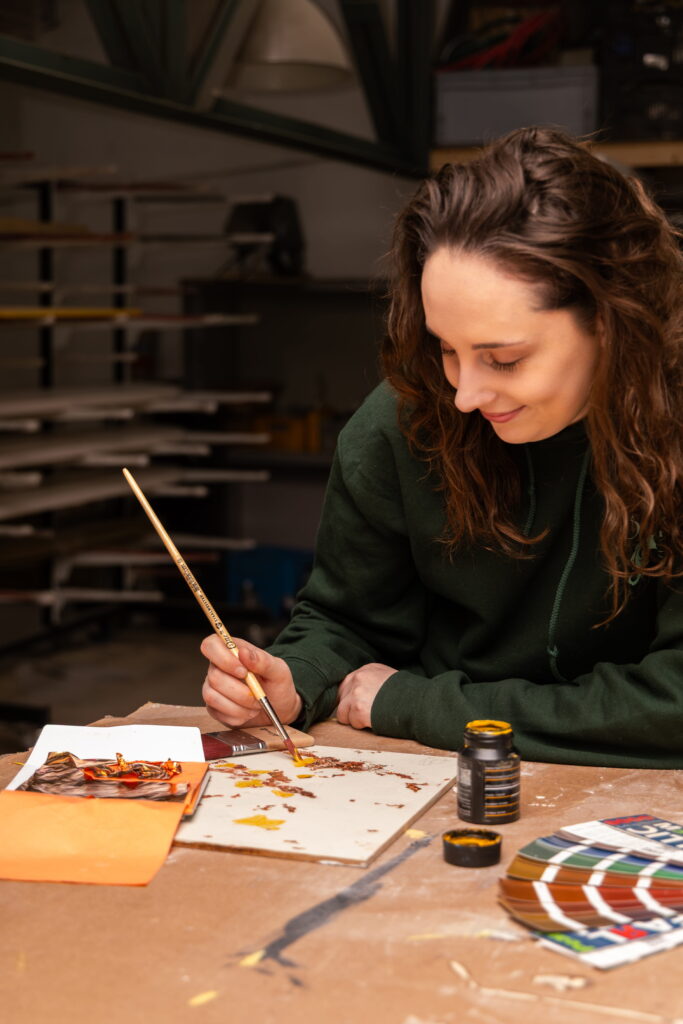
I work with techniques such as wood and marble imitations and gilding. Restoration work is mainly about technique and control. Everyone performs techniques in their own way, and by collaborating and observing how others work, you learn small tricks and develop your own approach.
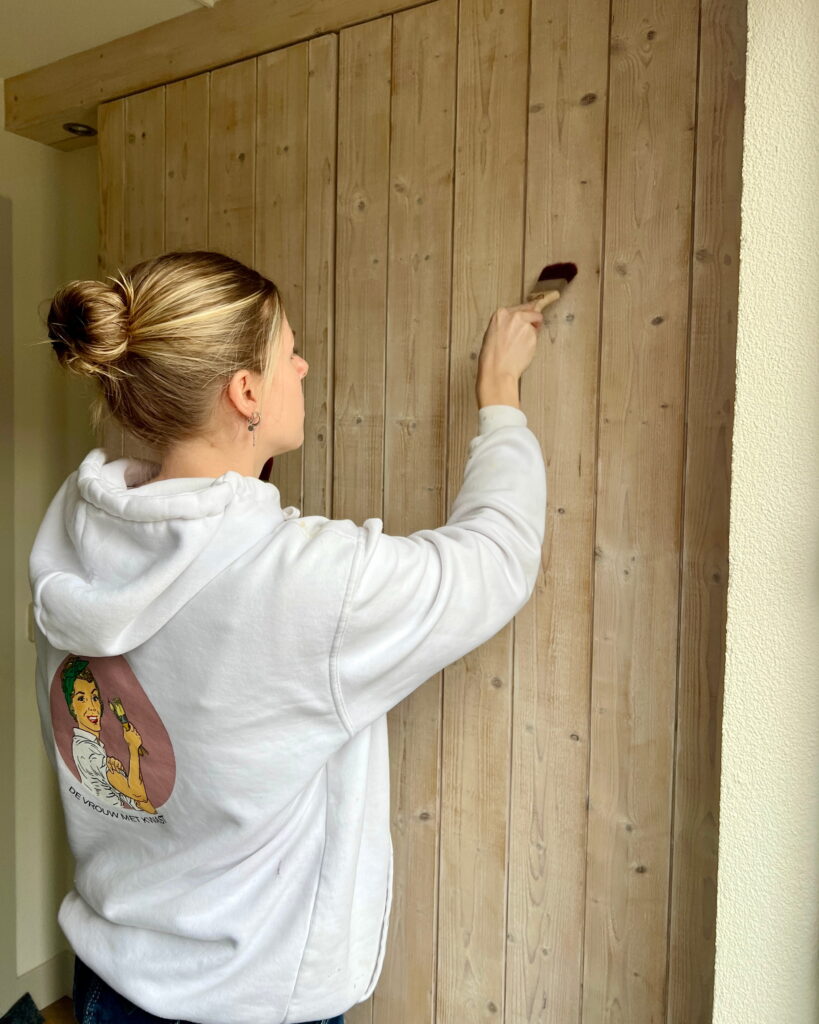
I mainly use Staalmeester brushes for exterior projects and regular painting work. That’s where they appear most often in my work. For example, when applying lacquer finishes I always use the Spalter 1050 from the One Series.
Very important. I think it’s a waste to keep buying new brushes. It’s also bad for the environment to throw them away after just one use. In fact, brushes often become even nicer to work with over time. As long as they continue to be used, it’s only better for the brushes.
A go-to brush should be flexible, comfortable to hold and suitable for detailed work. My go-to brush is the Patent Point Brush 2010 from the Original Series.
If you never try it, you’ll never know. Painters invest in new machines as well, so why not invest in a good brush? It’s part of working professionally.
That’s the same as saying that anyone can paint. Painting is a profession for a reason, and professional brush brands exist for a reason as well, there is clearly a difference in quality.
Subscribe to our newsletter
Staalmeester - Fokkerstraat 508 - 3125 BE Schiedam - The Netherlands

